
An afternoon of storytelling, music, and literature at the Gardner Language Center showed how students’ languages and cultural traditions can enrich English learning and bring a community closer together.
What happens when people are invited to share the stories, songs, and traditions they grew up with? Memories come alive. Families connect across generations. People discover common experiences. And a simple gathering can become something much more meaningful than an afternoon of entertainment.
That is exactly what happened when the Gardner Language Center welcomed Haitian author and storyteller Charlot Lucien for a special cultural and literary event sponsored by Literacy Volunteers of the Montachusett Area (LVMont).
The gathering brought families together to celebrate Haitian heritage through storytelling, music, traditional parables, riddles, proverbs, and children’s literature. It was an opportunity for participants to enjoy familiar traditions, share memories, and experience the richness of their culture together.
It also demonstrated something important about learning English: students do not leave their knowledge, language, or cultural identity behind when they enter an English classroom. Those experiences can become some of the most valuable resources in learning.
Stories that bring people together
Charlot Lucien captivated the audience with stories shared in both Haitian Creole and English. Through his engaging presentation, he brought traditional Haitian tales and expressions to life, inviting participants to reconnect with the language, customs, and memories of their homeland.
For many in the audience, the stories were familiar. They carried the rhythms and wisdom of a childhood spent listening to parents, grandparents, and other family members share lessons through parables and storytelling.
There was laughter as people recognized familiar expressions and enjoyed the humor woven into the stories. Participants also had an opportunity to share songs they had learned while growing up in Haiti. Soon, people were clapping, singing, and joining in. The music brought back cherished memories and created a warm sense of connection among families and friends.
One particularly memorable moment came when the Haitian students began asking Charlot to repeat some of the proverbs. They wanted to hear those familiar expressions again, perhaps recognizing the wisdom and humor that had been part of their lives long before they began learning English.
Proverbs, riddles, and parables are more than entertaining stories. They carry cultural knowledge, teach lessons about relationships and everyday life, and preserve ways of understanding the world that are passed from one generation to the next.
Sharing them gave participants an opportunity to celebrate not only the Haitian language but also the experiences and values that connect them.
A book to take home and share
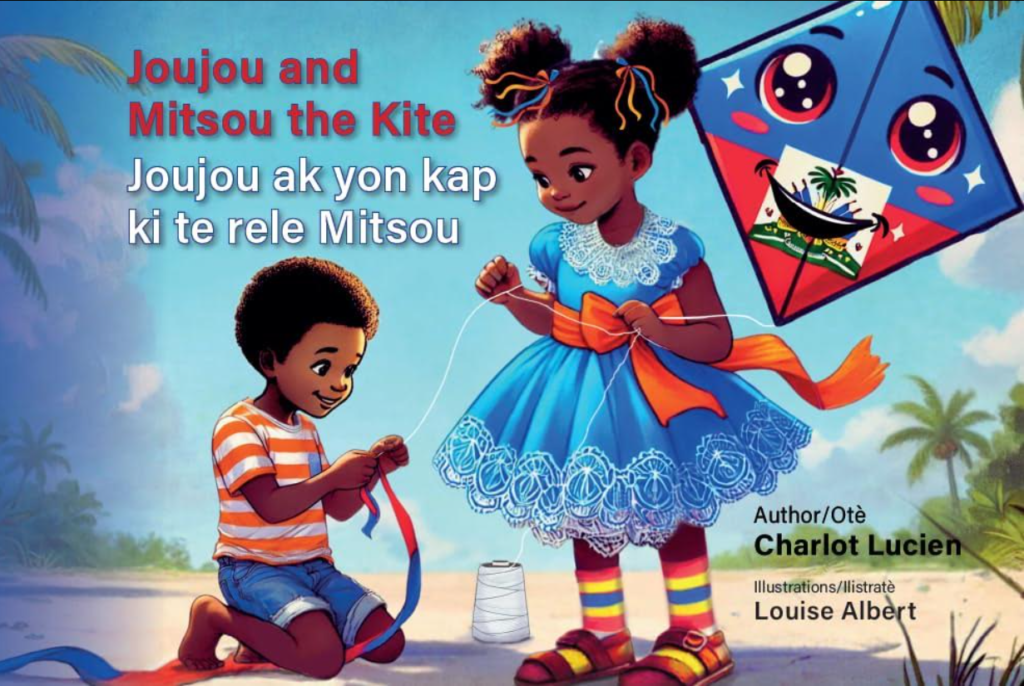
Along with traditional storytelling, Charlot read from his children’s book, Joujou and Mitsou the Kite.
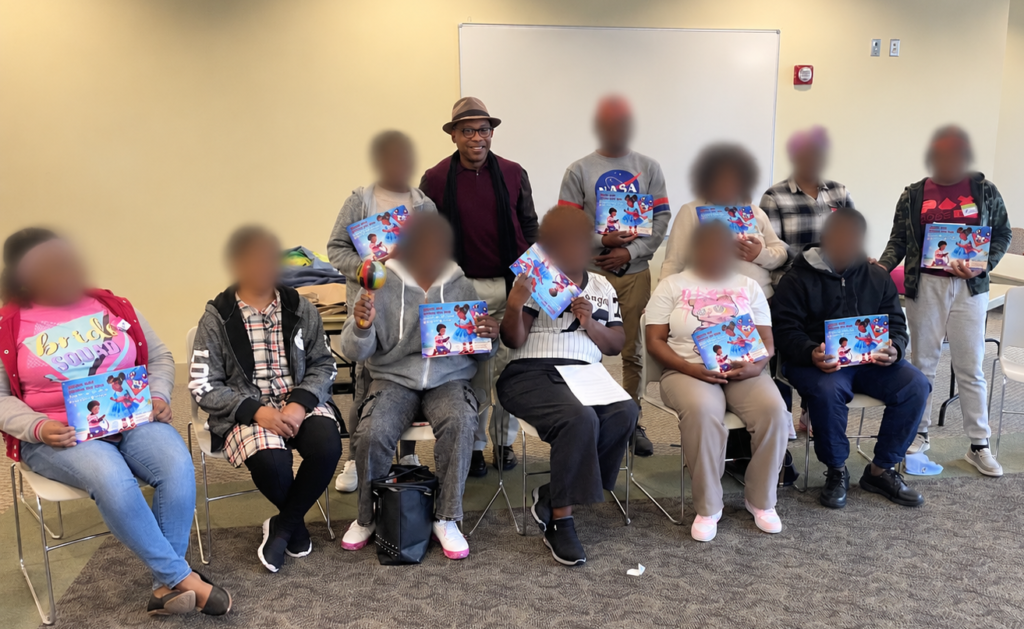
Each family represented at the event received a copy of the book to take home. This thoughtful gift extended the experience beyond the gathering itself, giving parents and children an opportunity to read together, enjoy a story, and continue the conversation at home.
For families learning English, access to children’s literature can be especially valuable. Books create opportunities for parents and children to explore language together, build reading habits, and share the enjoyment of storytelling.
The book also represented something important: reading is not only an academic skill. It is a way to share experiences, preserve memories, and create connections between generations.
Turning cultural traditions into language learning
For the teachers and volunteers at the Gardner Language Center, Charlot’s visit offered much more than a memorable cultural experience. It sparked ideas for future English conversation lessons and demonstrated how students’ first languages and cultural traditions can become starting points for meaningful learning.
One teacher expressed the excitement this way:
“Celebrating our students’ mother tongues opens the door to rich conversations and meaningful lessons. Haitian proverbs and riddles offer a wonderful starting point for exploring not only English vocabulary and language, but also humor, wisdom, cultural traditions, and the shared human experiences that connect us all. I am excited about the possibilities!”
There are many ways to build on this experience in the classroom.
A Haitian proverb, for example, can lead to a discussion about its meaning, the lesson it teaches, and whether a similar expression exists in English. Students can compare how the two languages communicate the same idea. They can explore expressions that do not translate word for word, discuss the humor behind a riddle, or share sayings they remember from their own families.
These conversations help students develop vocabulary and speaking skills while giving them a reason to participate. They also allow classmates to learn about one another’s backgrounds and discover similarities between cultures.
Students might bring in a favorite proverb, explain a childhood story, or teach the group a familiar expression from their first language. In doing so, they become more than English learners. They become teachers, storytellers, and contributors to the learning experience.
This approach recognizes that learning is not something that happens only when a teacher shares new information. It also happens when students bring their own knowledge into the room and learn from one another.
First languages are a resource, not a barrier
Adults who come to LVMont to improve their English bring a wealth of experiences. They may speak several languages, have professional backgrounds, raise families, carry cultural traditions, and have stories that span continents.
Yet when people are learning a new language, they can sometimes feel that their existing knowledge is overlooked. They may worry about making mistakes or struggle to express complex thoughts with a limited English vocabulary.
Recognizing and celebrating students’ first languages can help change that experience.
When a student is invited to explain a familiar proverb or share a story from home, that student has something valuable to contribute. Confidence grows when people realize that they do not have to set aside who they are in order to learn something new.
Their first languages are not barriers to learning English. They are valuable resources that bring depth, meaning, and personal connection to the learning process.
For conversation groups in particular, this can make a real difference. Meaningful conversations are easier to develop when people have something interesting to say and feel comfortable sharing their thoughts. Cultural traditions provide a natural starting point.
Building a stronger community through shared experiences
The gathering at the Gardner Language Center was a celebration of identity, language, family, and community. It gave Haitian families an opportunity to reconnect with familiar traditions, share those traditions with younger generations, and enjoy an experience together.
It also created opportunities for people to learn from one another. A story or proverb that is familiar to one person may be completely new to someone else. A song can prompt a memory. A riddle can lead to laughter. A discussion about a cultural expression can reveal that people from different backgrounds often share remarkably similar ideas about life, family, and relationships.
These moments help build a sense of belonging. They remind us that a community becomes stronger when people have opportunities to contribute, be heard, and share what matters to them.
We are grateful to Charlot Lucien for sharing his talent, stories, and enthusiasm with the Gardner community, and to everyone who helped make this event possible.
Most importantly, we look forward to building on the ideas and enthusiasm it inspired. The stories, songs, proverbs, and riddles shared that day will continue to provide opportunities for conversation, cultural exchange, and English learning.
At LVMont, learning English is about more than acquiring vocabulary and mastering grammar. It is about helping adults communicate with confidence, build relationships, participate in their communities, and share the experiences that make each of us who we are.
Sometimes, the best place to begin learning a new language is with a story you already know.
Literacy Volunteers of the Montachusett Area
Change a life, one word at a time.